
How a Man Made Reef is Helping Revive the Gulf of Mexico
PHOTOGRAPHY COURTESY OF UTRGV
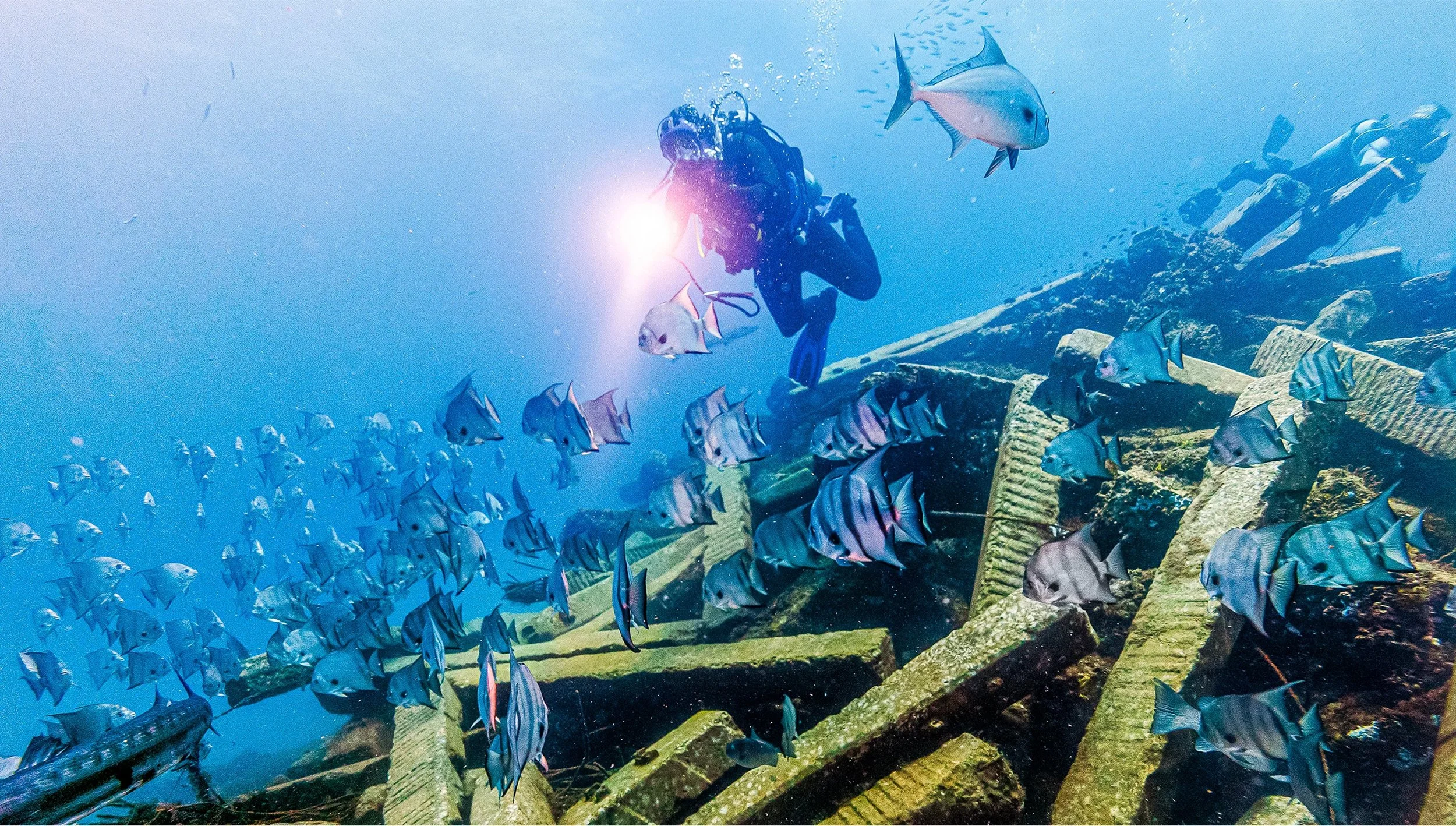
After decades of pollution, collapsing fish populations, and habitat loss pushed marine ecosystems to the brink in the Gulf of Mexico, The RGV Reef in South Texas has been transforming a once-barren stretch of ocean into a thriving habitat for over 30 species, absorbing carbon in the process and showing the world what purposeful restoration looks like.
Industrial Damage Threatens Marine Life
The Gulf of Mexico is home to over 4,500 offshore oil and gas platforms, the largest concentration on earth. But decades of drilling, ocean dredging, and shrimp trawling have been involved with the destruction of critical marine nurseries like seagrass beds and oyster reefs. These areas are essential for the early life stages of marine species, and their loss has had long-term impacts on the health and sustainability of the Gulf’s ecosystem’s.
Toxic oil and gas spills have also been a consequence of such a high precense of oil and gas refineries and the Gulf has suffered some of the most devestating oil and gas spills on our planet because of this. One notable disaster occurred on April 20, 2010, known as the BP oil spill or Deepwater Horizon oil spill. An estimated 210 million gallons of crude oil was released into the Gulf of Mexico with oil spewing into the Gulf for 87 days straight before it was capped. Aquatic species that have suffered some of the most lasting longterm impact include the golden tilefish, yellowfin and skipjack tuna, red drum, and king snake eel all showed signs of exposure.
A Toxic Relationship with Oil and Gas
A 2020 study found a 141% spike in oil-related toxins (measured from 2013-2017) in Red Snapper, one of the Gulf’s most commercially sought after fish. Golden tilefish showed alarming signs of oil related toxins with a 178% increase in exposure measured from 2012 to 2017. Other alarming percentages recorded in aquatic life have raised concerns for the long-term impacts of industrial pollution on marine life and public health.
Despite being one of the most comprehensive and credible assessments of Gulf contamination to date, the study has prompted little meaningful action. Regulatory oversight remains weak, and in recent years, efforts to protect offshore environments have only been further eroded. The Trump administration’s aggressive “drill, baby, drill” agenda rolled back critical safety and environmental measures put in place after the BP oil spill. These policy reversals, along with reduced inspections and a renewed push for fossil fuel expansion, have undercut progress and made accountability even more difficult to enforce.
Finding a Solution: A Man Made Reef
While regulatory action stalls, local restoration efforts are quietly laying the groundwork for recovery. Projects like the RGV Reef, led by scientists and conservationists in South Texas, are working to rebuild what was lost.
In 2017, South Texas made history with the deployment of the RGV Reef, the first large-scale, man-made nursery reef in the Gulf of Mexico. Located off the Texas–Mexico borderland coast, this ambitious grassroots project was constructed using a mix of concrete culverts, reef modules, railroad ties, retired barges, and blocks. The RGV Reef was strategically designed to mimic the complexity of natural coral reef structures. But what does a man-made reef have to do with combating the contamination and destruction of a body of water? Quite a lot, actually.
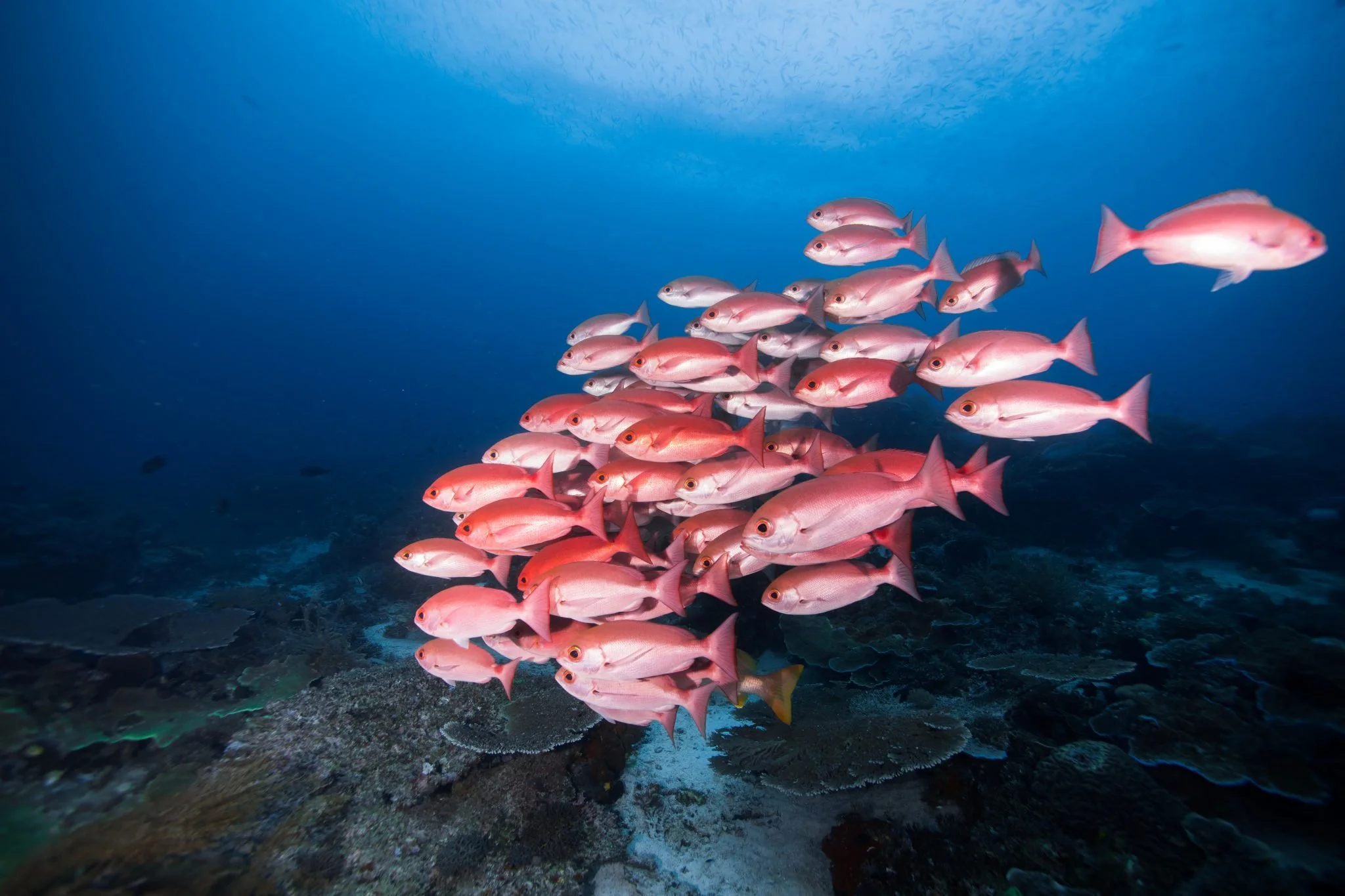
But its purpose goes far beyond imitation. The reef not only provides safe shelter and food sources for over 30 marine species, it also elevates aquatic life above the Gulf’s increasingly toxic seafloor sediments, offering a cleaner, more stable environment for juvenile fish to grow and thrive. In a region where oil-related toxins and habitat loss continue to compromise natural nurseries, this man-made reef is helping to restore ecological function and support long-term species recovery from the bottom up.
Mending the Gulf
The RGV Reef connects ecosystems by turning a once barren patch of ocean into a thriving structured environment that mimics the natural progression of marine life. More than 30 different marine species move, grow, and reproduce safely here across life stages and across space.
The reef isn’t just attracting fish. It’s actively absorbing atmospheric CO2 through biological growth which stores carbon in tissues, shells, and the food web it houses. Early research already estimates that around 70 metric tons of carbon are stored in sediment around the reef. That’s preventing 257 metric tons of CO2 from reaching the atmosphere, this is the same as removing around 60 cars off the road for a year.
Hope and Proaction
With pollution being an ongoing and unresolved crisis for the Gulf of Mexico local and grassroots efforts are stepping up despite the absence of federal leadership. Projects like the RGV Reef demonstrate how targeted, community-driven restoration can breathe life back into damaged ecosystems. By creating safe, structured habitats and elevating marine life above toxic seafloors, these efforts are not just rehabilitating species, they're reimagining what recovery can look like in one of the most industrialized waters on Earth. In a region still burdened by oil and gas, they offer something increasingly rare: hope.
To learn more about the RGV Reef and how you can support their work, visit www.rgvreef.org.
Sources:
Source: U.S. Department of the Interior. (n.d.). Gulf of Mexico Energy Infrastructure. Bureau of Ocean Energy Management. Retrieved July 2025, from https://www.boem.gov
Source: Pulster, Erin L., et al. "A First Comprehensive Baseline of Hydrocarbon Pollution in Gulf of Mexico Fishes." Scientific Reports, vol. 10, 2020, article no. 6437, https://doi.org/10.1038/s41598-020-62944-6.
Grandin, Greg. “Trump Has Brought Much‑Needed Attention to a Site of Great Tragedy: The Gulf of Mexico.” *The Guardian*, 3 Feb. 2025, www.theguardian.com/commentisfree/2025/feb/03/trump-gulf-of-mexico.
